
A GDN Conversation Series
Join this webinar series
Women in Leadership in the New AI World
Rewriting the rules of leadership. Reimagining recognition. Powering the future of work.
Across the world, women are not just participating in the evolution of credential recognition and digital learning ecosystems—they are leading it.
The Series at a Glance
From national qualification frameworks to AI-enabled credentialing systems, women leaders are shaping how learning is recognized, trusted, and translated into opportunity. Yet they continue to navigate structural barriers—within policy environments, technology sectors, and global systems historically designed without them in mind.




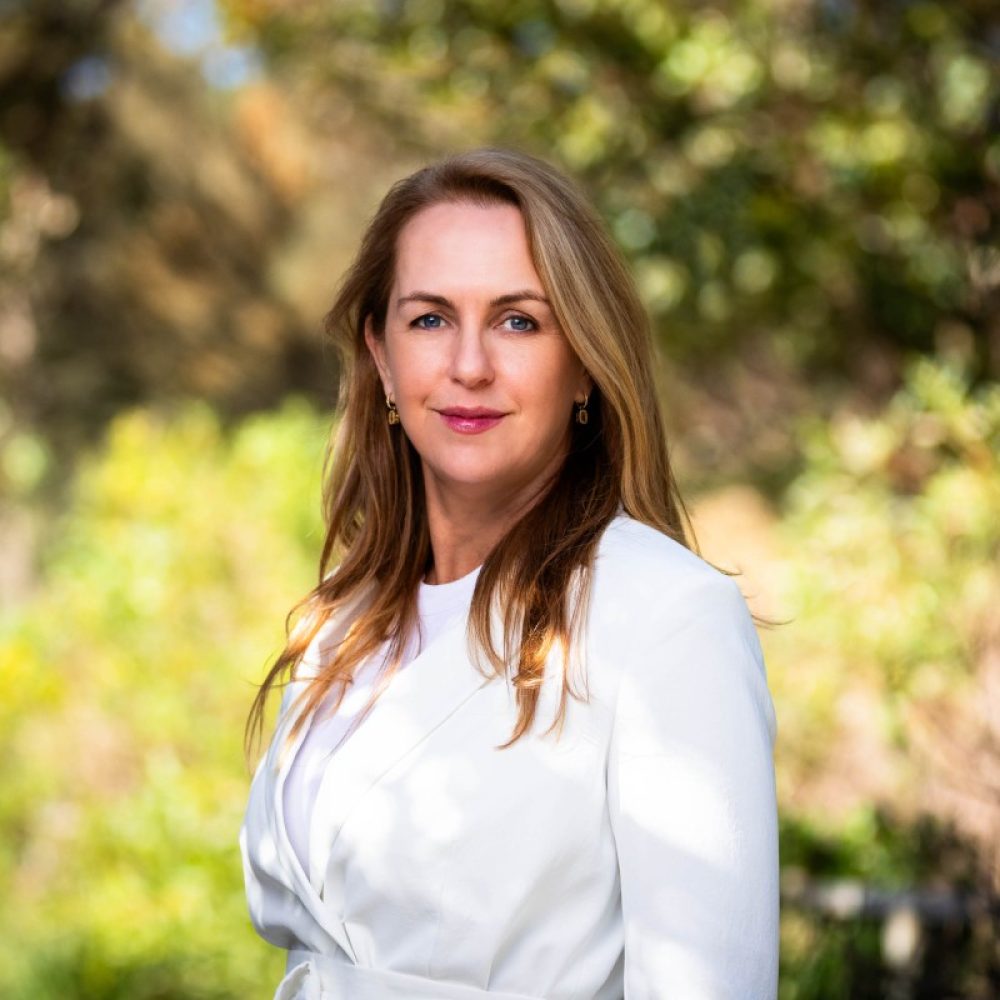

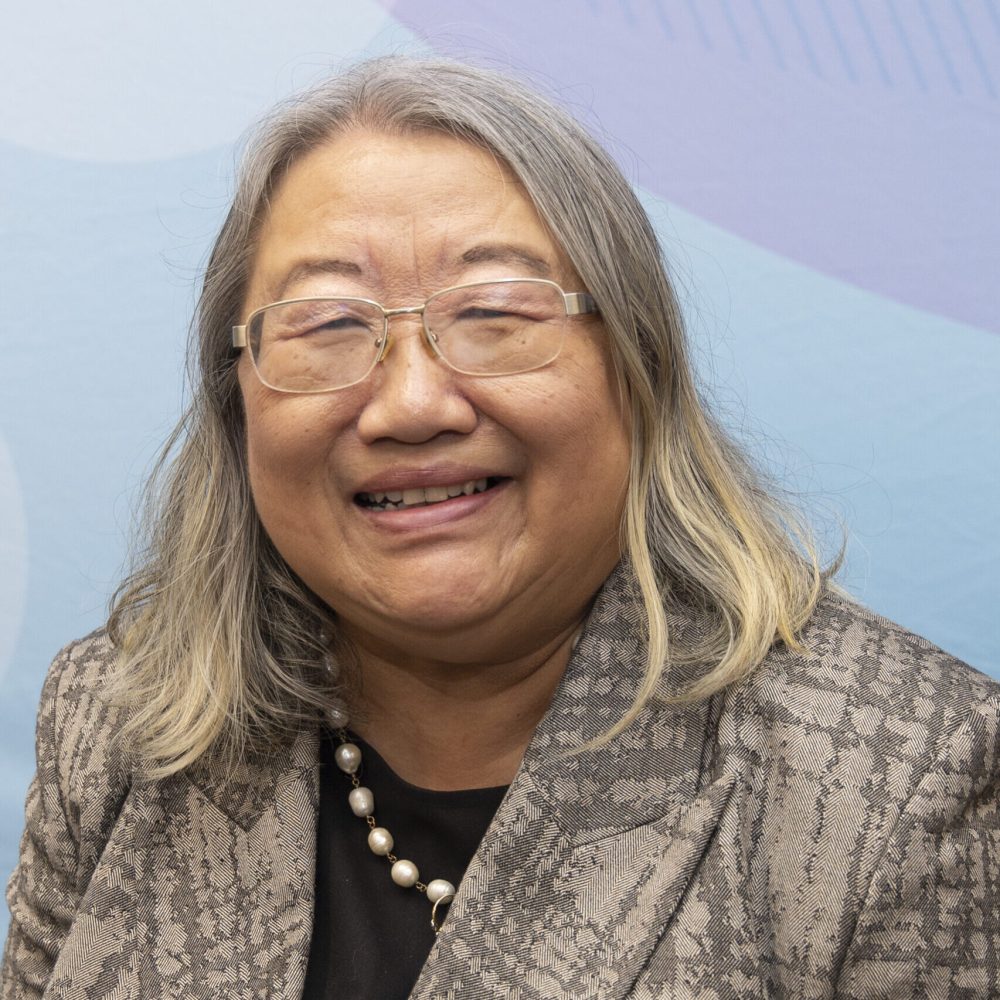
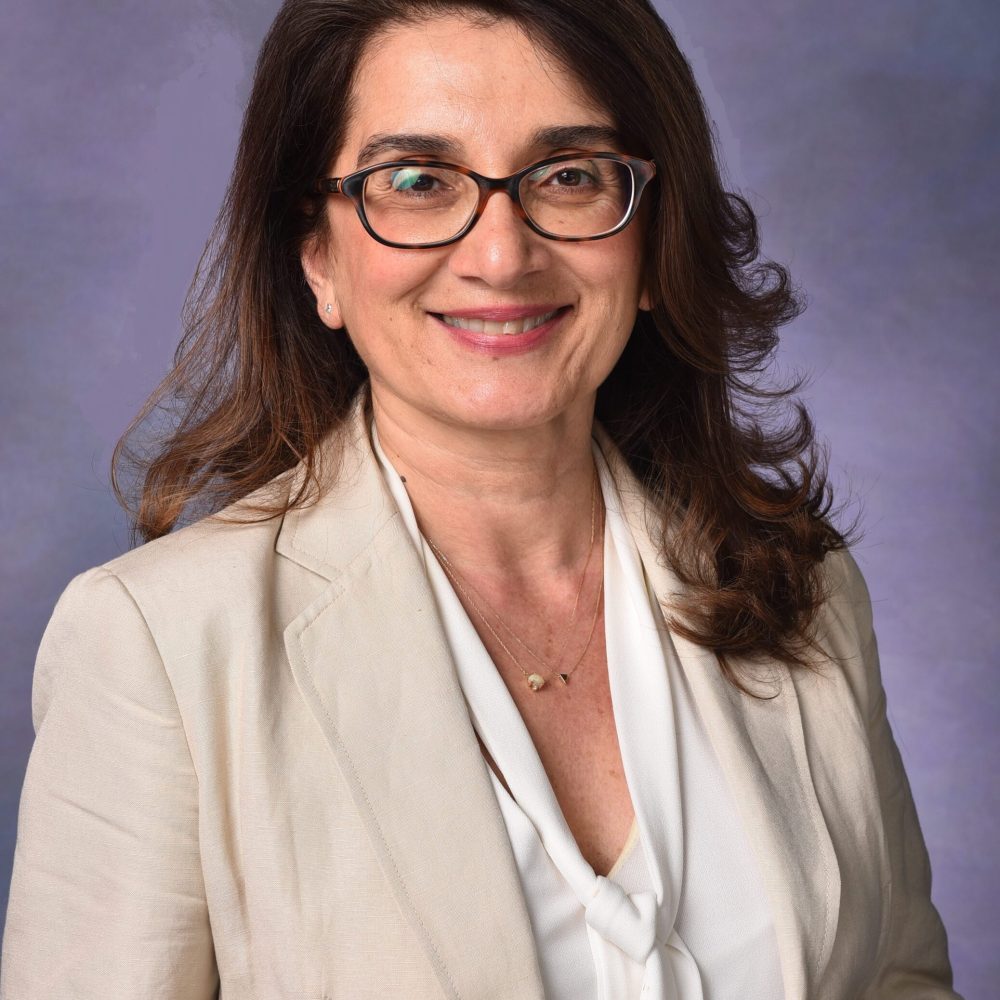





|
Webinar title
|
Date and time
|
Panelists
|
|---|---|---|
|
Wednesday, June 8, 2026 — 10:00 AM ET / 4:00 PM CET
|
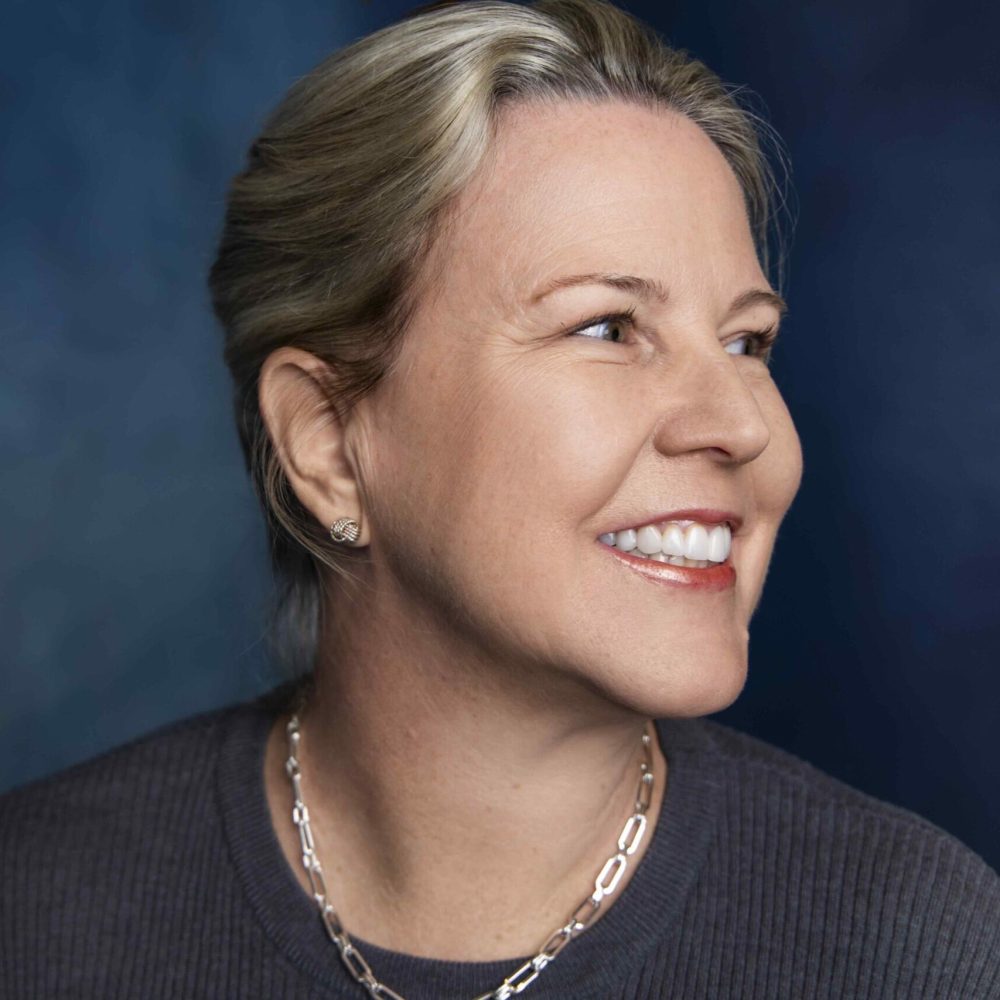
Mary Strain
|
|
|
Part A Panel:
Wednesday, July 29, 2026 — 07:00 PM ET / July 30 — 9:00 AM AEST (Australia, Asean time slot) Part B Panel: Wednesday, August 12, 2026 — 10:00 AM ET / 4:00 PM CET (North America, Europe, South Africa time slot) |
Siobhan O'Sullivan
Dr. Rooksana Rajab Charmaine Hack |
|
|
Part A Panel:
Tuesday, August 18, 2026 — 7:00 PM ET / August 19 — 9:00 AM AEST Part B Panel: Wednesday, August 26, 2026 — 10:00 AM ET / 4:00 PM CET |
Teresa Tjia
Joanne Ligouris Cindy Yi Dr. Julie Reddy Kirthi Jayakumar |
|
|
Wednesday, September 2, 2026 - 10:00 AM ET | 4:00 PM CET
|
Sasha Thackaberry-Voinovich, PhD
Shawna Garrett, MEd, PhD(c) |
|
|
Thursday, October 8, 2026 - 5:00 PM ET / October 9 - 7:00 AM AEST
|
Melanie Gottlieb
Jasmin Saidi-Kuehnert Yasmin King Sagal Dualeh Dr. Mamta Chauhan |
Check the time zone converter for when this session is happening in your region.
Missed a Session? Watch the Recording.
Browse previous session recordings and continue learning at your own pace.
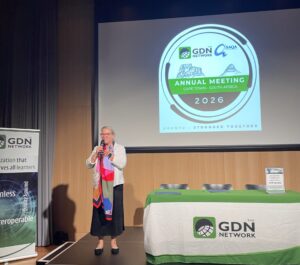
Leadership in this space is at a critical juncture as digital credentials and supporting systems redefine access to education and employment.
• Who designs the systems matters
• Who governs recognition matters
• Who leads innovation matters
Women bring essential perspectives to building systems that are inclusive, ethical, and globally connected. This series explores how women are not only navigating barriers—but actively dismantling them to create more equitable pathways to work and learning.
 • Leaders in credential evaluation and recognition
• Policy makers and government agencies
• EdTech and AI innovators
• Higher education leaders
• Women in leadership—and allies

• Real-world insights from global women leaders
• Strategies for leading in complex systems
• Understanding AI’s role in credentialing
• Tools to navigate bias and build influence
• Access to a global leadership network
 As AI, digital credentials, and global recognition systems scale:
• Leadership decisions will determine whose learning is recognized
• Algorithms will influence who accesses opportunity
• Governance will shape equity—or bias—at scale
Without women in leadership, there is a real risk that existing inequities will be embedded into future systems.
What You’ll Explore
Across five dynamic sessions, participants will engage with global leaders to explore:

Leadership across policy, technology, and global mobility ecosystems
The role of AI and emerging technologies in credential recognition
Strategies to navigate and challenge gender bias
Innovative models for recognizing alternative learning
Building influence and coalitions to scale global impact
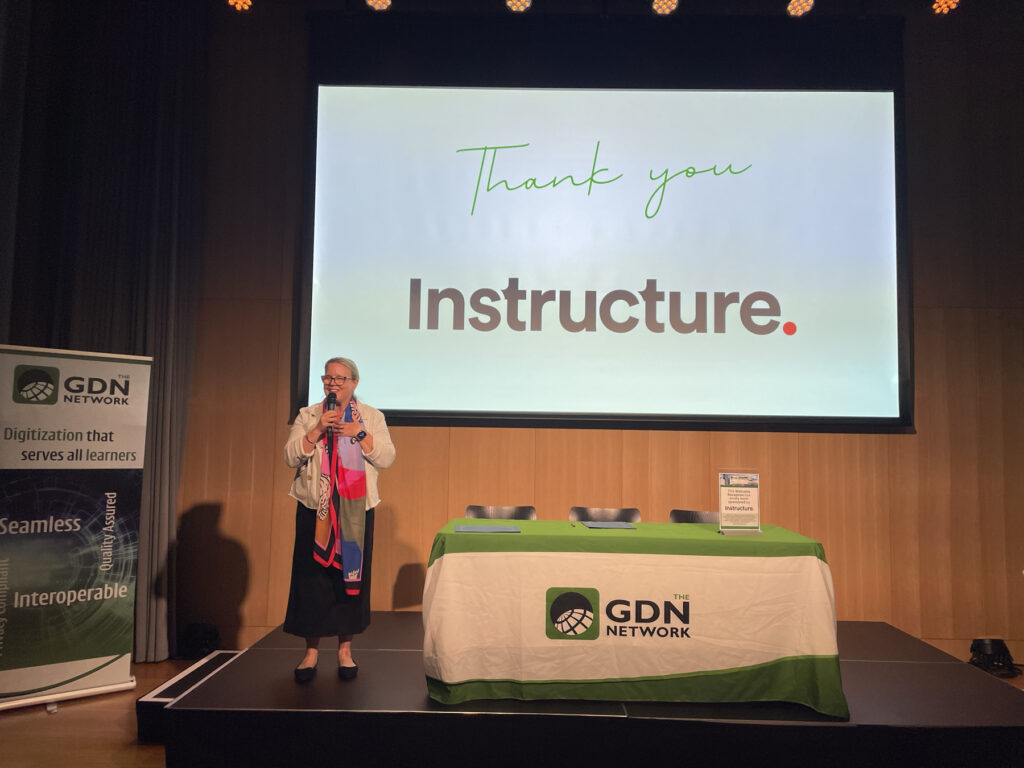
This webinar series gratefully acknowledges the support of Instructure, a patron of the GDN.

Gender Leadership by the Numbers
Leadership in Education & Quality Assurance
A global “glass ceiling” persists across all levels of education leadership, from institutions to ministries.
What this means: Even in systems where women are the majority, they are underrepresented in decision-making roles—including those shaping credential recognition and quality assurance frameworks.
Women in Technology Leadership (Including EdTech & Credentialing Systems)
Women remain underrepresented in engineering, AI, and technology leadership roles, despite growing participation overall.
What this means: As credential recognition becomes increasingly digital and AI-driven, women are still underrepresented in designing and governing the systems shaping the future of work.
Governance & Boards in Education and Mobility Ecosystems
Women hold approximately 31–37% of leadership and governance roles globally, depending on sector and region.
Even where board representation improves, executive decision-making roles remain male-dominated.
What this means: Organizations shaping learner mobility, recognition, and global education policy do not yet fully reflect the diversity of the populations they serve.
The Pipeline Paradox
Women now outnumber men in higher education participation globally.
Yet their representation declines sharply at each leadership level.
What this means: The challenge is not a lack of qualified women—it is systemic barriers to advancement and leadership access.
The Opportunity
The data is clear—but so is the opportunity.
Advancing women into leadership roles across credential recognition, technology, and learner mobility is not just about representation—it is about:

Better system design

More inclusive innovation

Fairer access to education and work globally
Five-Part Global Webinar Series
Webinar 1: Leading Across Borders in the Age of AI
Women, Ethical Stewardship, and Strategic Leadership in Learner Mobility Platforms
Wednesday, June 8, 2026 — 10:00 AM ET / 4:00 PM CET
This opening session brings together women in senior leadership roles responsible for national and multinational credential exchange and learner mobility platforms to explore leadership at a pivotal moment of technological transformation. As artificial intelligence, large language models, and data-driven systems increasingly shape the future of learner mobility and digital credential ecosystems, the need for ethical stewardship, inclusive governance, and diverse leadership perspectives has never been more urgent.
The session examines how women leaders are influencing strategic direction, building trust across borders, and navigating the intersection of innovation, policy, and human-centred design in complex global environments. Through their experiences, participants will gain insight into how leadership grounded in collaboration, accountability, and diverse perspectives can help guide transformational change in the evolving technology landscape.
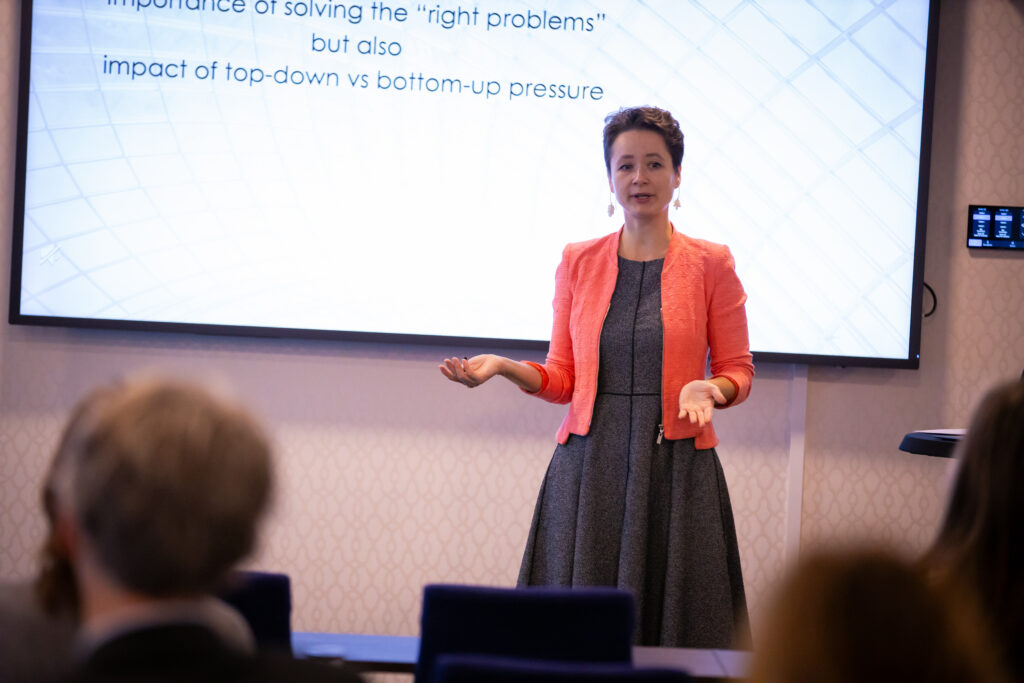
Participants will explore how women leaders:
- Navigate authority, influence, and credibility in traditionally male-dominated technology, policy, and governance environments
- Lead large-scale digital transformation initiatives involving governments, institutions, industry partners, and international stakeholders
- Balance innovation with ethical responsibility in the era of AI-enabled learner mobility systems
- Foster trust, transparency, and equity while shaping globally connected credential and mobility ecosystems
- Bring diverse leadership perspectives that strengthen decision-making, inclusion, and long-term stewardship of emerging technologies
This session sets the foundation for the series by examining leadership where vision, diplomacy, technology, and ethical responsibility intersect—offering timely insights into how women leaders are helping shape the future of learner mobility in an AI-driven world.
Panelist

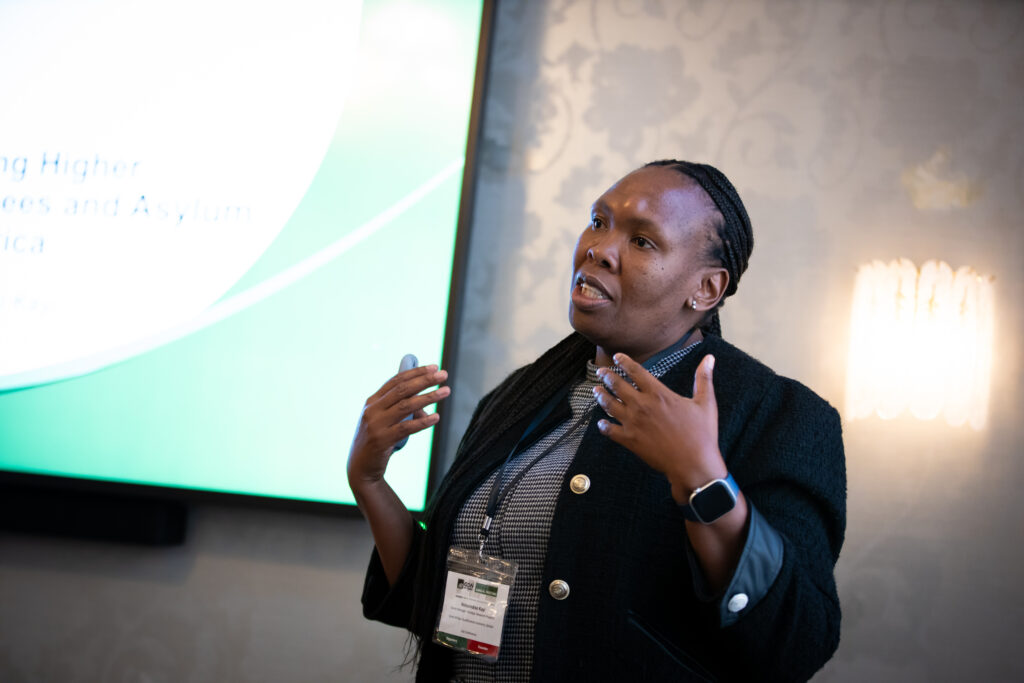
Mary Strain
Generative AI and Machine Learning, Amazon Web Services (AWS)
Mary Strain leads strategy for artificial intelligence and machine learning in the US public sector at AWS. Mary began her career as a middle school teacher in the Bronx, NY. Since that time, she has held leadership roles in education and educational technology organizations as a product and strategy lead. Mary has advised higher education, technology companies, and state and local government on innovative policies and practices leveraging artificial intelligence and machine learning capabilities focused on competency-based assessment; micro credentialing; curriculum design and workforce development. As an advisor to The Education Design Studio at The University of Pennsylvania, The State of NJ AI Task Force and the California State University AI Workforce Acceleration Board. Mary has been on the leading edge of bringing innovative solutions to serve the public interest for two decades. Mary holds a BA from Fordham University and an MPA from The City University of New York.
Mary Strain
Webinar 2: From Vision to Implementation
Women Driving Credential Exchange in Tech-Inflected Ecosystems
Moving from strategy to execution, this session focuses on the operational realities of building and scaling digital credential systems. Featuring women leading implementation efforts, it highlights how ideas become functioning platforms.
Participants will explore how women leaders:
- Drive adoption of digital credentials, interoperability frameworks, and emerging technologies
- Lead in male-dominated tech environments while building credibility and securing resources
- Manage stakeholder resistance and align policy, funding, and technical requirements
This session offers practical insight into leading transformation in environments where technology, policy, and power dynamics converge.
Part A Panel: Wednesday, July 29, 2026 — 07:00 PM ET / July 30 — 9:00 AM AEST
Part B Panel: Wednesday, August 12, 2026 — 10:00 AM ET / 4:00 PM CET
Panelists

Part A: Australia, Asean time slot panel
Siobhan O'Sullivan
Consultant - AI Accelerator Lab, Future Skills Australia
Siobhan O'Sullivan is an accomplished executive leader with over 25 years’ experience driving organisational transformation across finance, logistics, and the technology sector. Most recently, she served as Chief Operating Officer and Interim CEO at the Australian Computer Society (ACS), where she led national initiatives in digital capability, workforce reform, and innovation ecosystem operational strategy. At ACS, Siobhan has played a key role in shaping the organisation’s future direction, supporting industry and government to navigate complex challenges, from migration assessment, strategic workforce transitions, cyber professionalization and VET accreditation reform. Her leadership is marked by clear outcomes, cultural reset, and deep engagement across public, private, and policy spheres. Prior to ACS, Siobhan was CEO of the Mortgage & Finance Association of Australia (MFAA), and Board Advisor and COO at fintech scaleup HashChing. She brings a proven track record of aligning people, strategy, and performance to deliver impact, always with a deep commitment to purpose-led leadership and system-level change. Siobhan holds an MBA from Macquarie Graduate School of Management, a Bachelor of Commerce in HR and Industrial Relations, and a Diploma in Project Management. A lifelong martial artist and advocate for personal discipline, she brings focus, perspective, and integrity to every role she takes on.
Siobhan O'Sullivan

Part B: North America, Europe, South Africa time slot panel
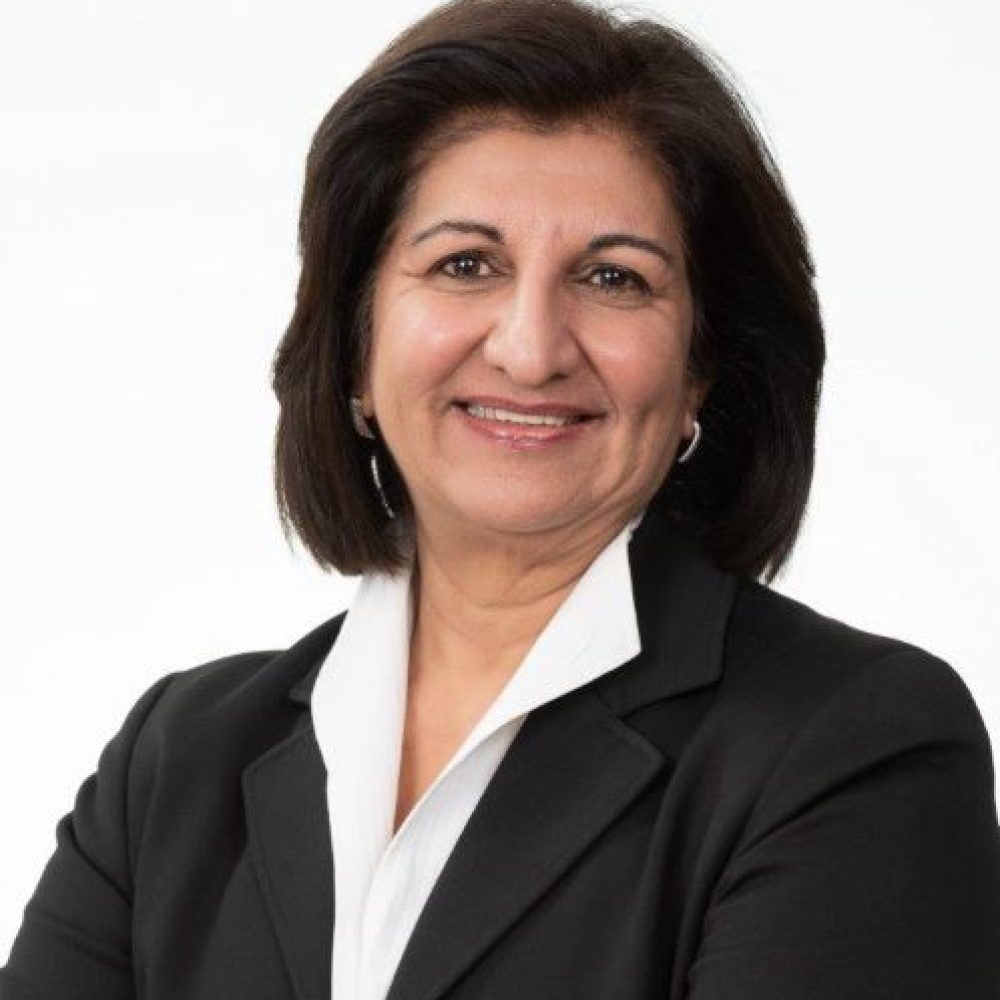
Dr. Rooksana Rajab
Founder and Director, Resonance Consulting Services
Dr. Rooksana Rajab is the founder and director of the company, is an expert in organizational development, with a particular focus on systems change for transformation. Using a systems thinking approach that emphasizes innovation, research, and development, she helps organizations to lead effectively, work collaboratively, and achieve their goals and long-term vision. Dr. Rajab prioritizes human-centeredness, inclusivity, and collaboration, and is also a published researcher, motivational speaker, and qualified personal and leadership development coach. She currently leads and manages Resonance Consulting Services, which has a broad spectrum of clients from government, the nonprofit sector, and private corporate companies. She consults both in South Africa and internationally. She willingly shares her knowledge and experiences at national and international conferences and has recently supported the Commonwealth of Learning in establishing and managing systems change project in Zambia. Rooksana is a senior Associate of the Da Vinci Business School, JET Education Services and the Commonwealth of Learning. Through JET she has been instrumental in the establishment of the National Association for Social Change Entities (NASCEE) in 2020 – 2021. She was also lead consultant in the PSET CLOUD project for five years from 2018 – 2023.
Dr. Rooksana Rajab

Panelist - Both webinar time slots
Charmaine Hack
Board Vice President, The GDN Network; Vice President, Partnerships, Enrolment, and External Relationships, Centennial College
Charmaine Hack is a distinguished higher education leader with more than 35 years of experience across university and college sectors. Throughout her career, she has championed the use of new and emerging technologies to create exemplary learner experiences and connected support systems that enable students to focus on what matters most—their learning and success—and to thrive. She is recognized as a change leader, inclusive collaborator, creative thinker, and strategic partner. Her expertise spans transnational business development and partnerships, enrolment strategy, academic policy and administration, public relations, marketing and communications, and a broad range of core postsecondary operations. Her work has advanced learner empowerment, transfer and mobility, and student success. Charmaine’s past voluntary and elected leadership roles include eight years as president, past president, and founding director of MyCreds|MesCertif, a groundbreaking pan-Canadian network project of the Association of Registrars of the Universities and Colleges of Canada. She also served four years on the Board of Governors of Toronto Metropolitan University, formerly Ryerson University, and as president of the Ontario University Registrars Association. She currently serves as Vice-President, Partnerships, Enrolment and External Relations at Centennial College in Toronto, and as Vice-President of the Groningen Declaration Network, a leading global convenor in the digital credentialing ecosystem. Charmaine holds a Bachelor of Arts from the University of Toronto and a Master of Education from the Ontario Institute for Studies in Education at the University of Toronto.
Charmaine Hack
Webinar 3: Inclusive Leadership for Sustainable Mobility
Women Charting the Future of Recognition and Access
This forward-looking session explores how women are designing more inclusive, equitable, and learner-centered credentialing ecosystems. It focuses on leadership approaches that prioritize sustainability, access, and cultural responsiveness.
Participants will learn how women leaders:
• Embed equity, inclusion, and alternative learning recognition into mobility systems
• Navigate complex governance and funding landscapes
• Build cross-sector and cross-border alliances to advance systemic change
This session emphasizes leadership as a force for shaping not just systems—but the values that underpin them.
Part A Panel: Tuesday, August 18, 2026 — 7:00 PM ET / August 19 — 9:00 AM AEST
Part B Panel: Wednesday, August 26, 2026 — 10:00 AM ET / 4:00 PM CET
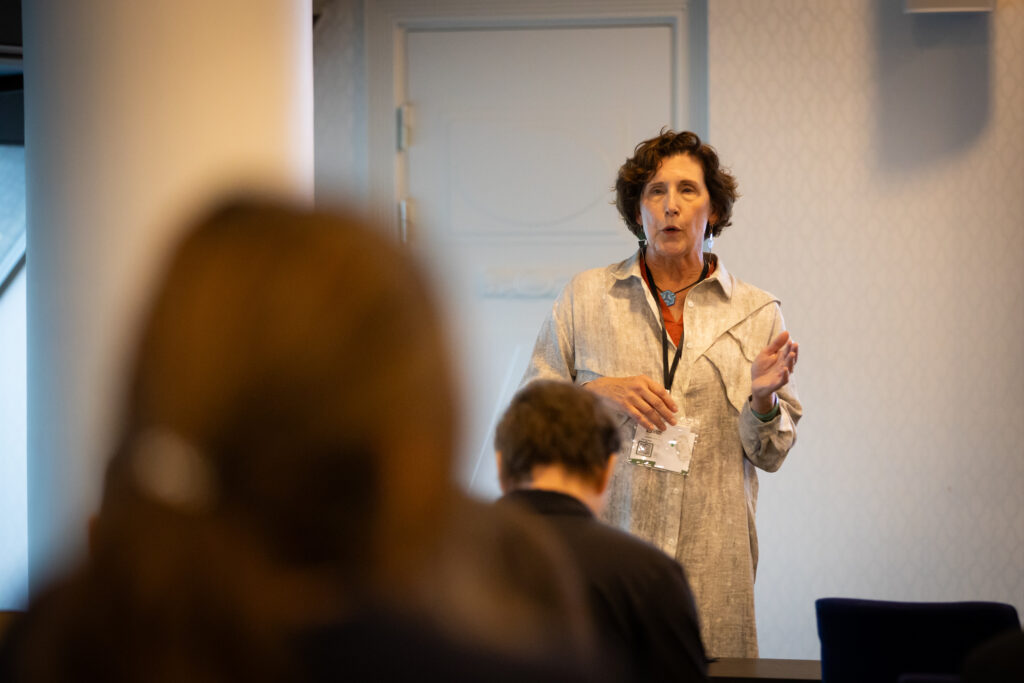
Panelists - Part A: Australia, New Zealand, Middle East, Asean time slot panel

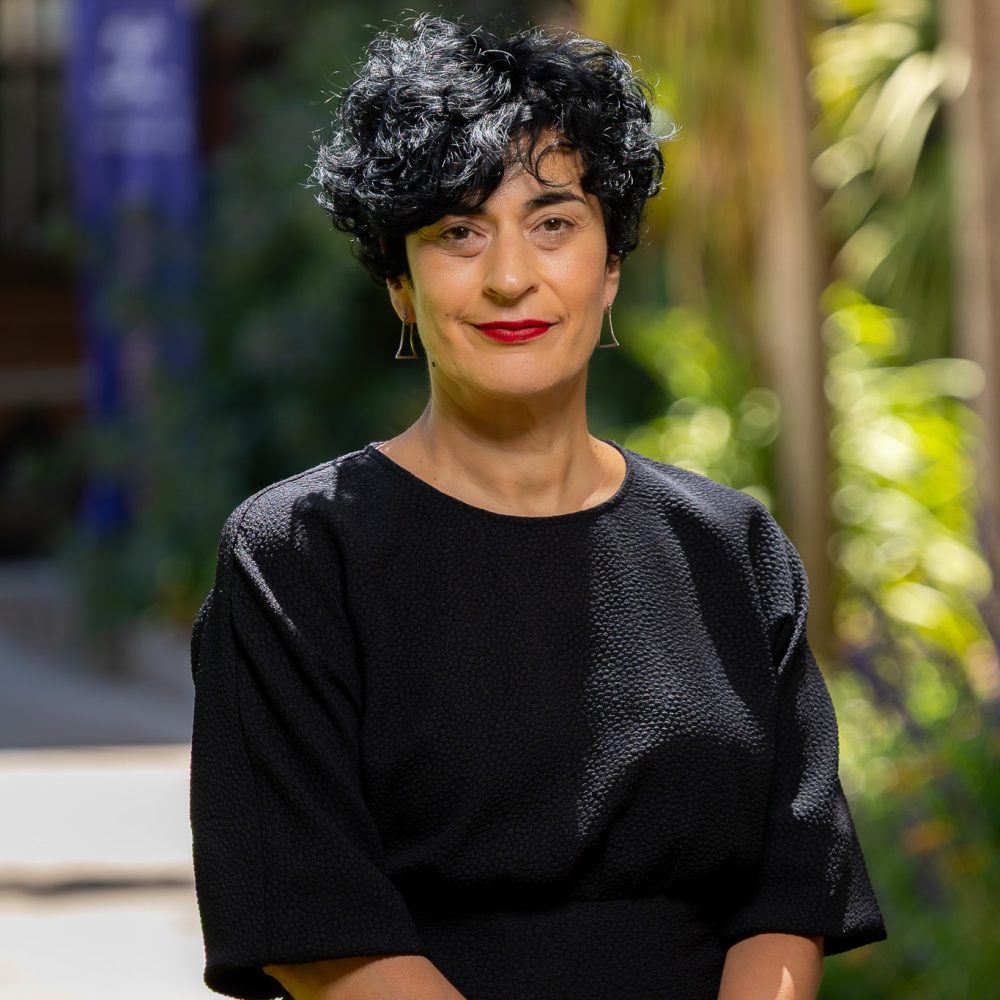
Teresa Tjia
Chief Executive Officer, Victorian Tertiary Admissions Centre (VTAC)
Teresa Tjia is a senior leader in tertiary education, with a deep commitment to student participation, engagement and success in tertiary education, no matter their background. Teresa has experience in service and organisational transformations, leading initiatives with impact and influencing with data and insights. Currently Teresa is the Chief Executive Officer of the Victorian Tertiary Admissions Centre (VTAC). Teresa contributes more broadly as member of sector and government committees, working groups and is a Board Director of community organisations.
Teresa Tjia

Joanne Ligouris
Academic Registrar and Executive Director, Student and Scholarly Services, The University of Melbourne
Joanne Ligouris serves as Academic Registrar and Executive Director of Student and Scholarly Services at the University of Melbourne, one of the founding organizations of the GDN Network. She has extensive leadership experience in higher education administration, governance, digital transformation, and student services. Throughout her career, she has championed initiatives that enhance equity, access, and student success through innovative uses of technology, data, and artificial intelligence. Ligouris is motivated by a belief that every learner should have equitable opportunities to access and benefit from education regardless of their background. She brings strong governance, integrity, risk management, and strategic leadership capabilities and is committed to helping the GDN Network further its mission of supporting student mobility and global citizenship.
Joanne Ligouris

Cindy Yi
Manager, Assessment Services, Professional Skills Recognition, VETASSESS
As Manager of Assessment Services at VETASSESS, Cindy Yi brings more than 17 years of experience in skills assessment and workforce development. She leads the delivery of assessment frameworks supporting Australia’s skilled migration and labour market priorities, covering more than 360 occupations across a broad range of industries.
Cindy plays a key leadership role in aligning assessment practices with industry standards and government policy, ensuring migrants’ qualifications and professional experience are assessed fairly and consistently. Her work spans policy development, international qualification recognition, assessment governance and stakeholder engagement across government and industry.
Through her leadership, Cindy contributes to strengthening Australia’s skilled migration system and supporting a skilled, inclusive and future-ready workforce. Cindy holds a Bachelor of Commercial Law and a Master of Human Resource Management.
Joanne Ligouris
Panelists - Part B: Europe, North America, Latin America time slot panel

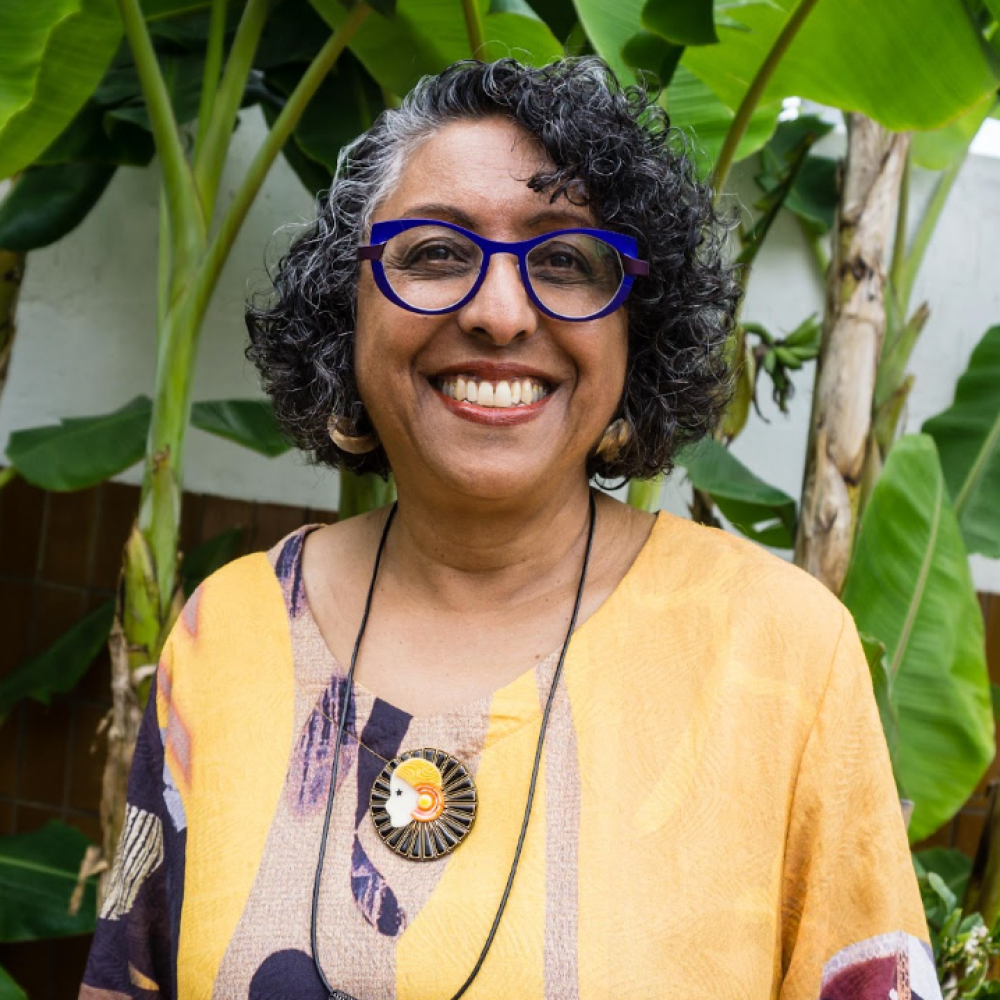
Dr. Julie Reddy
Professor of Practice, University of Johannesburg
Julie Reddy is currently a Professor of Practice in the Centre for Education Rights and Transformation (CERT), Faculty of Education at the University of Johannesburg, South Africa. She was formerly the Chief Executive Officer of the South African Qualifications Authority (SAQA), until her retirement in 2022. Over the 40+ years of her formal professional career in the education, training and civil society sectors, she has served in senior management and leadership positions both in South African and internationally. She is currently pursuing and advancing her passion and interests in research, writing and sharing her knowledge, experience and views on topics relating to “Whose and what learning and recognition matters?” from a human rights and social justice perspective. Internationally, Julie Reddy has contributed to various UNESCO/UIL global initiatives. She is the current Deputy Chair of the South African National Commission to UNESCO and a Director on the Boards of the Groningen Declaration Network (GDN) and World Education Services (WES), in the USA. Julie Reddy’s academic qualifications includes an MSc (as a Fulbright Scholar) and PhD from Cornell University in the USA.
Dr. Julie Reddy

Kirthi Jayakumar
Researcher, Inclusive AI Lab, and PhD Candidate, Utrecht University
Kirthi Jayakumar is an AI policy researcher at the Inclusive AI Lab at Utrecht University. She specializes in AI and law, tech geopolitics, women, peace and security. Kirthi runs Civitatem Resolutions, focusing on human-centric governance of emerging technologies through feminist approaches. She has served on the Steering Committee for the UN Women AI School and on Women 7, the advisory group to the G7 on emerging technologies.
Kirthi Jayakumar
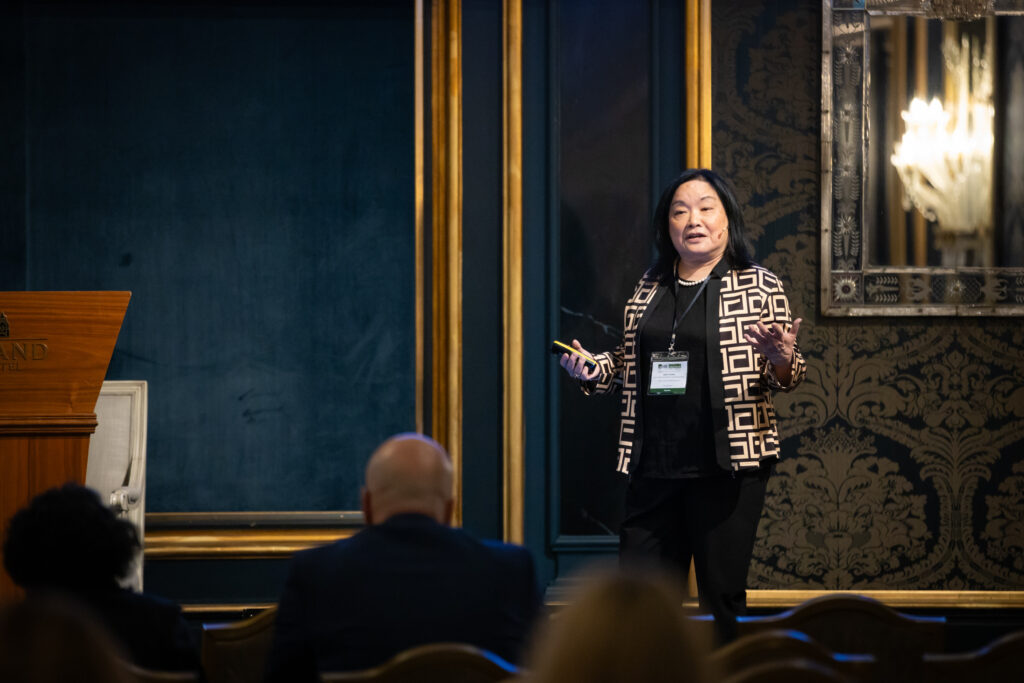
Webinar 4: Breaking Barriers with Technology
AI, Digital Credentials, and the Future of Women’s Leadership
Wednesday, September 2, 2026 – 10:00 AM ET | 4:00 PM CET
As AI and advanced technologies reshape credential recognition, this session examines both opportunity and risk—and the critical role of women in shaping this future.
Participants will explore how women leaders:
- Leverage AI and digital tools to improve recognition, transparency, and access to work
- Address bias in algorithmic systems and advocate for ethical, inclusive design
- Position themselves as leaders in emerging, tech-driven ecosystems
This session highlights a pivotal moment: ensuring that the future of credentialing is not only innovative—but equitable.
Panelists

Sasha Thackaberry-Voinovich, PhD
President and CEO, Newstate University
Dr. Thackaberry-Voinovich is the president and founder of Newstate University, bringing two decades of leadership across K–12 ed tech, community colleges, major online universities, an R1 flagship, and global ed‑tech companies to reimagine affordable, scalable, AI‑first higher education. She previously served as President of SkillsWave, where she led the Wave platform implementation for Walmart’s LiveBetterU in Canada, and held senior roles at Pearson and Louisiana State University, where she built an internal OPM, grew online enrollment over 12X over, quadrupled revenue in under 4 years, unified six institutions under one brand, and secured national employer partnerships. Earlier roles at Southern New Hampshire University and Cuyahoga Community College included leading the nation’s fastest large‑scale LMS implementation and helping Tri‑C become Ohio’s largest online provider while launching the first community college MOOC. A published author and frequent contributor to leading education outlets, she received the 2021 Influential Women in Business award and earlier national innovation awards. She holds a PhD in higher education administration focused on Competency-Based Education, an MAT from Kent State University, and a BFA in Dance from the University of Akron.
Sasha Thackaberry-Voinovich, PhD

Shawna Garrett, MEd, PhD(c)
Director, International Education, Ontario Tech University
Originally from the Maritimes, Shawna Garrett has held registrarial and enrolment management positions at Acadia University, NSCAD University, College of the North Atlantic – Qatar, and Mount Allison University. She has also worked as a superintendent, principal, and dean at international schools in Japan and China. Shawna holds degrees from the University of Prince Edward Island and Acadia University and is currently a Ph.D. Candidate in educational studies through Nova Scotia’s inter-university doctoral program.
Shawna Garrett, MEd, PhD(c)
Webinar 5: Power, Influence, and the Next Generation of Leaders
Building Pathways for Women to Lead Systemic Change
Thursday, October 8, 2026 – 5:00 PM ET / October 9 – 7:00 AM AEST
The final session turns to sustainability and legacy—focusing on how to expand women’s leadership across the credentialing and learner mobility ecosystem.
Participants will examine how women leaders:
- Build influence within institutions, networks, and global systems
- Mentor and elevate the next generation of leaders
- Create pathways for greater representation in governance, technology, and policy
This session closes the series by shifting from individual leadership to collective impact—ensuring long-term, systemic change.
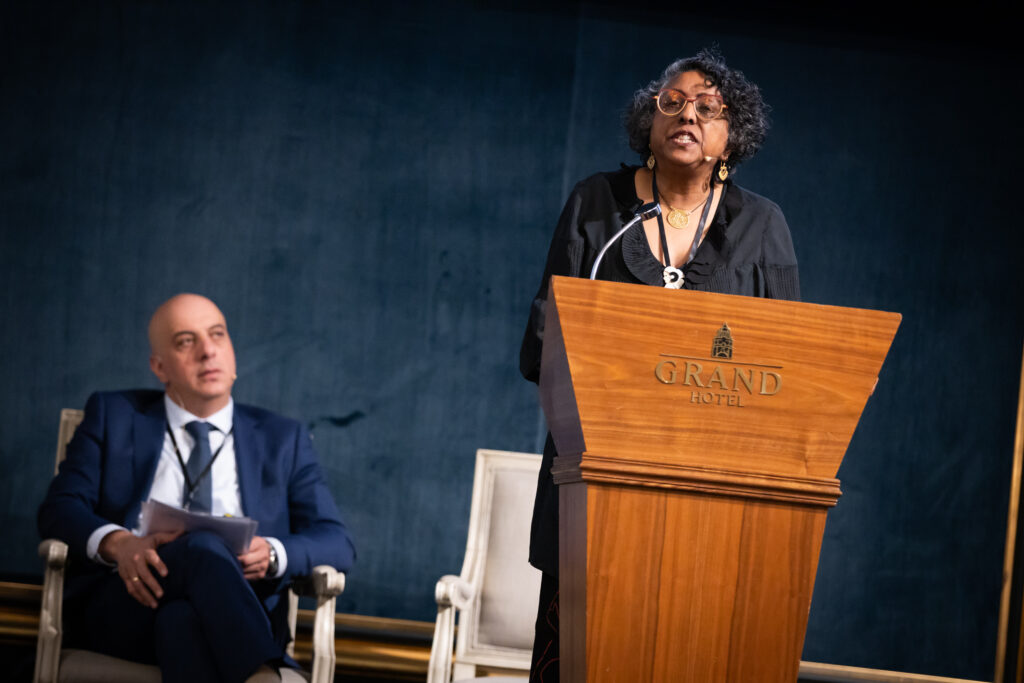
Panelists

Melanie Gottlieb
Interim Executive Director, AACRAO; President, the GDN Network
Melanie is the first woman to hold the role of Executive Director in the association’s history after nearly six years as the Deputy Director. She brings a global perspective rooted in an understanding of the technological proficiency and flexibility needed to move AACRAO forward. Melanie came to the national office with 18 years as an AACRAO member, with experience in Records & Registration, Enrollment Management and International Recruitment and Credential Evaluation. She has served the association in a variety of volunteer leadership roles throughout her career, most recently as Vice President for International Education on the AACRAO Board of Directors. Melanie earned an MA in Information Science from the University of Missouri - Columbia and a BA in History /American Studies from Marlboro College in Vermont.
Melanie Gottlieb

Jasmin Saidi-Kuehnert
President & CEO, The Academic Credentials Evaluation Institute, Inc. (ACEI)
Jasmin Saidi-Kuehnert is the Founder, President, and CEO of Academic Credentials Evaluation Institute, Inc. (ACEI). A published author and speaker on global education systems, she advises institutions and organizations on emerging markets, credential evaluation standards, and international pathway initiatives. She has chaired committees for leading professional associations, including NAFSA: Association of International Educators, AACRAO, and AICE. Currently, Jasmin serves as Chair of the International Education Standards Council, which oversees country profiles and credential recommendations for AACRAO’s Electronic Database on Global Education (EDGE). She is also President of the Board of Directors of the Association of International Credential Evaluators (AICE), a U.S.-based non-profit professional association of credential evaluation service providers. She earned her BA in Political Science from the University of San Diego and an MBA from Pepperdine University. Jasmin’s leadership and contributions have been recognized with the 2023 Award for Excellence in International Education from the American Association of Collegiate Registrars and Admissions Officers (AACRAO). In 2024, she was inducted into the TAICEP Hall of Acclaim for her distinguished impact on the field of international credential evaluation.
Jasmin Saidi-Kuehnert

Yasmin King
CEO, SkillsIQ
Yasmin King FAICD, FCPA, works with industries to make skills evidence usable for hiring, workforce planning, and productivity - not just compliant. She is CEO of SkillsIQ and Co‑Founder of SkillsAware, where she focuses on how skills are defined, assessed, and trusted in real labour‑market decisions. Yasmin has led national and international work in Australia, APEC and ASEAN countries on developing occupational standards and qualifications, skills recognition, and governance models that help employers understand what people can actually do, not just what credentials they hold. Her work is grounded in process transparency, and practical systems that recognise skills gained through work and life.
Jasmin Saidi-Kuehnert

Sagal Dualeh
Senior Director of Strategy, Policy and Research, World Education Services (WES)
Sagal Dualeh (she/her) is Senior Director of Strategy, Policy and Research at World Education Services (WES). WES is a non-profit social enterprise that supports the educational, economic, and social inclusion of immigrants, refugees, and international students in Canada and the U.S. Sagal leads WES’s strategic policy and research portfolio in Canada to advance policies that improve the economic and social integration for internationally educated and trained individuals. Her work includes advancing policy and program reforms with governments, regulators, civil society organizations, educators, employers, and community organizations to address barriers to credential recognition, licensure, and workforce participation.
A systems-change strategist, Sagal has led policy and program initiatives in the private, public, and non-profit sectors in areas such as international trade and market access, regulation and licensure, economic and workforce development, entrepreneurship, trust-based philanthropy and impact investing, regional food systems, gender equality and the care economy. Prior to joining WES, she worked with the Canadian Women’s Foundation and the Government of Canada.
Sagal worked closely with federal government departments on the Canada’s Social Innovation and Social Finance Strategy and has served as a member of the Sustainable Finance Forum, a non-partisan forum advancing sustainable economic development; and the Government of Canada’s Standards Committee on Responsible Business Conduct Abroad. Sagal also is Chair of Prosper Canada’s Resilient Futures Committee focused on financial well-being; board member of the Inspirit Foundation, which advances pluralism by supporting equitable narratives through media and the arts; and board member of Canada Innovates, a digital platform for entrepreneurs and ecosystem partners.
Sagal holds a B.Soc.Sc. in Mathematics and Economics and a M.A. in International Economics and Finance.

Dr. Mamta Chauhan
Executive Director, VETASSESS
Dr Mamta Chauhan is the Executive Director of VETASSESS within the Bendigo Kangan Institute. VETASSESS is Australia's largest skills assessment provider supporting the Australian skilled migration program for more than 350 occupations listed on migration lists. Mamta has more than 20 years experience in education (teaching, curriculum development, assessing and research), government and corporate stakeholder engagement. She now leads VETASSESS as it grows and diversifies in skills recognition services both domestically as well as internationally. She sits at various roundtable discussions and committees to discuss and input into topics related to Australia’s skilled migration program, qualification frameworks and skills recognition/upskilling for the domestic market including refugees.
Moderators for the Sessions

Joanne Duklas
Executive Director, The GDN Network
Joanne Duklas is an award-winning leader in higher education who serves as the executive director of the GDN Network while also leading scholarly research projects and her own consulting firm in higher education providing research and consulting support to governments, institutions, and sector organizations. She most recently served as one of the co-founders and executive lead for the MyCreds™ | MesCertif™ National Network in Canada. She is an expert in the higher education field and has authored several publications, presentations, and keynote addresses to advance best practice, standards, transfer, and student mobility including recent chapter contributions on digitization, trust, privacy, and fraud in the Second Handbook on Academic Integrity and Fake Degrees and Fraudulent Credentials in Higher Education.
Joanne Duklas

Melissa Loble
Chief Academic Officer, Instructure
Melissa Loble is a globally recognized learning futurist and Chief Learning Officer at Instructure, where she works with institutions and organizations to design the future of learning. With more than 25 years of experience across K-12, higher education and workforce development, she helps leaders build connected, evidence-based learning ecosystems that support the new learner, who is balancing education with work and life and seeking flexible, skills-driven pathways. At Instructure, Melissa serves as a trusted advisor to education and industry leaders, helping translate strategy into actionable approaches that support lifelong learning and readiness. She chairs the board of directors for 1EdTech, serves on the CSU AI Workforce Acceleration Board, and convenes the AI and Academic Integrity Working Group, bringing together leaders to advance responsible, human-centered approaches to AI and better align learning with workforce outcomes. An educator at her core, Melissa began her career as a classroom teacher and continues to engage directly with learners and educators. She is a frequent keynote speaker and co-host of Instructure’s podcast.
Melissa Loble
Recordings
Webinar 1: Leading Across Borders in the Age of AI
Here is a recent report on skills in the age of AI published jointly by AWS and Pearson.
https://www.pearson.com/content/dam/global-store/global/resources/ai-readiness/AI-Readiness-Report-2026.pdf
Webinar 2: From Vision to Implementation - Part A panel
Webinar 2: From Vision to Implementation - Part B panel
Webinar 3: Inclusive Leadership for Sustainable Mobility - Part A panel
Webinar 3: Inclusive Leadership for Sustainable Mobility - Part B panel
Webinar 5: Power, Influence, and the Next Generation of Leaders
Recommended Books by Panelists:
- "Smarter, Better, Faster,"
- "So Good They Can't Ignore You."
- "The Power Worker": https://www.amazon.com/Power-Worker-Corporate-Friction-AI-Human/dp/B0H7G2XH5F
Be Part of the Movement
This is more than a webinar series—it’s a call to action.
A call to redefine leadership,
to recognize all forms of learning,
and to build systems where opportunity is not limited by gender, geography, or traditional pathways.
Join us—and help shape the future of global learner mobility.
https://www.sciencedirect.com/science/article/abs/pii/S1048984324000870?via%3Dihub
https://arxiv.org/abs/2003.11746
https://www.frontiersin.org/journals/education/articles/10.3389/feduc.2024.1485395/full
https://www.investopedia.com/academic-leadership-by-gender-5101144
India:- https://educationworld.in/fewer-women-in-leadership-roles-in-education-sector-than-men-unesco/
https://mediaindia.eu/politics/unesco-gem-report-flags-gender-gap-in-education-leadership/