
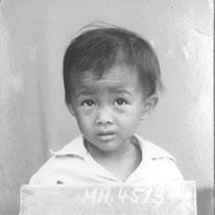
I’ll never forget the first day of my new job at the institution, at a meeting with the Registrar and Director of Admissions.
I listened as they spoke about “transfer credit” and “block transfer.” I had no idea what they were talking about. I remember thinking, what did I sign myself up for?
Shortly after that meeting, the Registrar handed me a binder and said, “Go figure it out.”
What I didn’t realize at the time was that I had just been introduced to learning recognition.
In PLAIO #9, in my reflection piece Prior Learning Assessment Reflections of a Former Child Refugee, I wrote about my father’s transition from a refugee camp to Canada through Canada’s private sponsorship program, in response to the mass exodus of the Indochinese from Vietnam.
Canada’s points-based immigration system and its commitments to cultural diversity and refugee protection made our resettlement possible.
But policies do not erase what displacement does to a human life — or what happens when learning, experience, and capability arrive without documentation.
As a child navigating a primary school system built for native English speakers, I knew I was the weakest link in Mrs. Jolly’s grade one class.
I struggled with English, writing, and reading. My comprehension wasn’t there. Even after three years in Canada, I was still adapting to the language and cultural norms. The trauma of escaping Vietnam lived deep within me. I did not yet know how to process what I had experienced.
To cope, I learned how to be “invisible to be safe.”
I was timid and shy.
When my family fled, we had no formal documentation. There was no legal record of our existence — a reality that has shaped how I understand recognition ever since.
What could I possibly offer?
Although I was no longer as malnourished as I had been during our escape — when I nearly died from dehydration just before reaching the refugee camp — life in Canada was still fragile.
I was grateful for my single daily meal at dinner. My stomach rumbled throughout the day, and learning was hard.
Mrs. Jolly noticed that I had no lunch.
She brought me to the staff room and wrapped crackers and slices of marble cheese in paper towels for me to eat. She fed me when I was hungry.
But she didn’t stop there.
One day during art class, she asked me to show the class how to draw a butterfly. She had noticed my artwork.
I remember feeling shy but affirmed.
She saw me.
She showed me that I had something to offer — even if academically I was failing.
Looking back, I see that moment differently.
That was recognition.
Mrs. Jolly saw me when I did not yet have the language or confidence to articulate myself. She did not ask for documentation. She did not wait for formal validation.
She noticed what was already there — the simple ability to draw a butterfly.
Over time, I came to understand that the work before me was never merely administrative.
It was about designing systems that see people the way Mrs. Jolly saw me — not just transcripts, but capability.
It was about ensuring recognition does not depend on luck — on having a Mrs. Jolly in the room — but is embedded in policy, structure, and authority.
The child who once arrived undocumented was now positioned to influence how institutions recognize learning, provincially and nationally.
No longer was it, what have I gotten myself into? I began to see the opportunity: to shape how learning is recognized — to influence frameworks and systems that widen recognition and allow learners to experience that their whole being is acknowledged and valued.
Because every human being has something to offer.
All my lived experiences converged at a crossroads, moving me toward meaning-making — a full embrace that this work truly matters.
Eight years after that first meeting about transfer, I continue to live and breathe in this world.
At the Southern Alberta Institute of Technology, we serve apprentices, Canadian Armed Forces members, refugees, immigrants, mobility, domestic students, international students, and mature learners.
From trades to degrees.
From non-credit to credit pathways.
From transfer credit to PLAR credit assessments.
The question remains:
How do we ensure that learning — wherever and however it occurs — is fairly recognized?
That question plays out through apprenticeship pathways, laddering, block transfer, articulation agreements, micro-credentials, prior learning assessment and recognition, transcript systems, national transfer frameworks, digital credential ecosystems, and interoperability standards.
I have had the privilege of learning alongside extraordinary thought leaders. And I know there is still much work to do.
Global recognition frameworks such as the UNESCO Global Convention matter because they move recognition from individual discretion to collective commitment.
They embed mobility, fairness, and trust into systems rather than leaving them to chance.
But global agreements only matter if they are operationalized within institutions.
Transfer practices.
Policy authority.
Interoperable data standards.
This is where principles become real.
This is why conversations within networks like the Groningen Declaration Network matter. They move us from aspiration to implementation.
Recognition is not abstract.
It shows up in policy language.
In system design.
In authority structures.
In data standards that determine whether learning moves across institutions and borders.
Learning recognition is where equity intentions meet operational reality.
It is where learners experience mobility — or friction.
My father arrived without documentation, without proof of learning, and without recognized capital.
This is not theoretical for me.
Documentation gaps are not policy challenges alone; they are human stories.
Recognition is not only about credit — it is about dignity, belonging, and access.
Someone once looked at my refugee identification photo and pointed out how my eyebrows captured such skepticism.
Maybe those eyebrows were already asking questions.
Today, I still am.
Who is not being recognized?
What learning remains invisible within our current credential frameworks?
How do we design systems that recognize learning wherever and however it occurs — at scale, with integrity and equity?
Because I know what it feels like to exist without documentation.
And I know what it feels like to be seen.
Recognition determines who gets to move forward — and who remains invisible.
About the Author
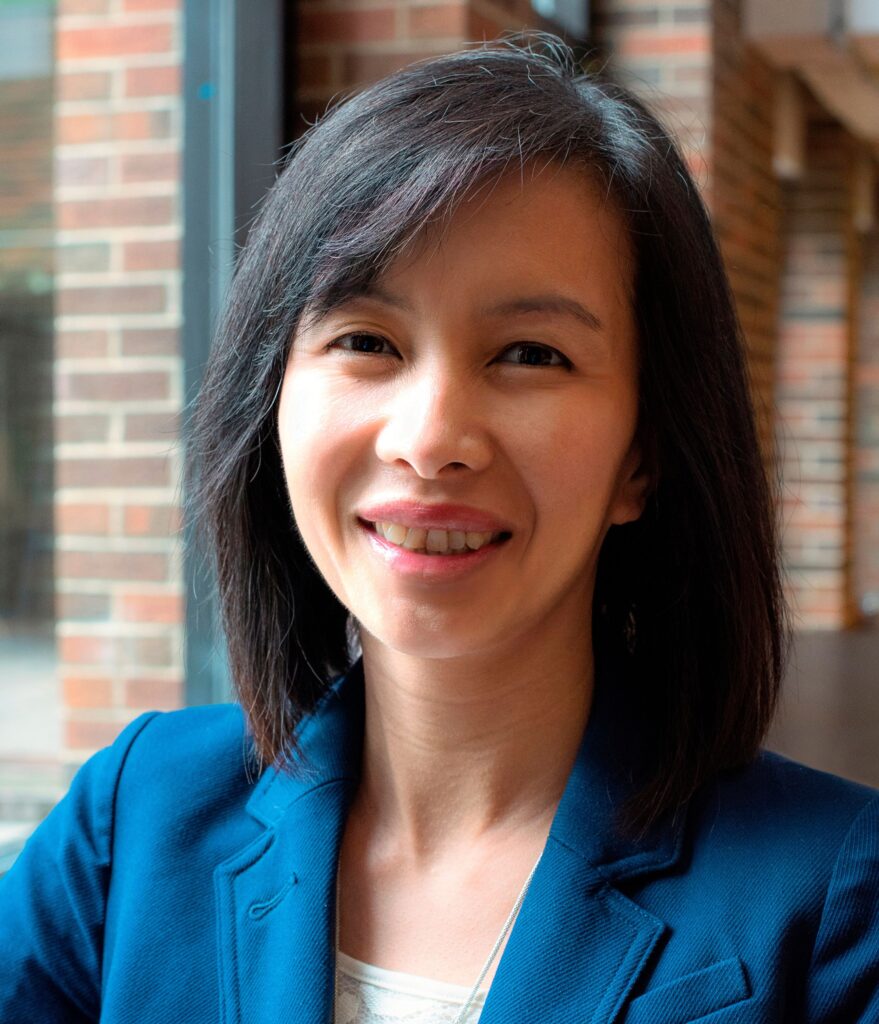
Hannah Temple, MA
This blog post represents the opinions of the author. The Groningen Declaration network assumes no responsibility or liability for the content or accuracy of this post.