
RECOGNITION as a Human Right and Transformative Public Action.
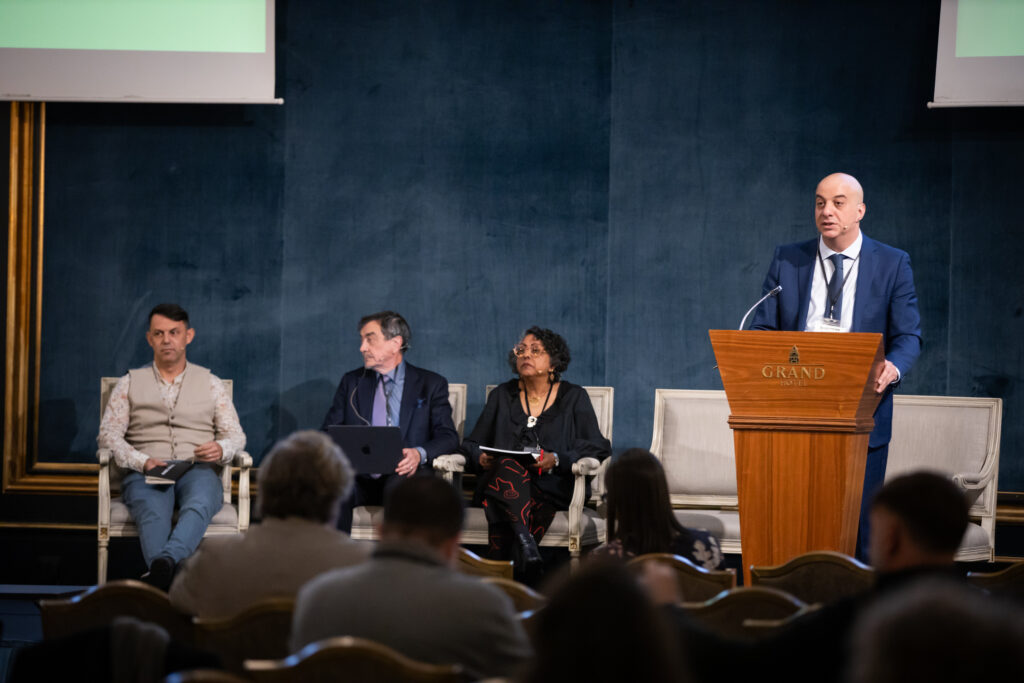
Remarks by Beka Tavartkiladze
Good morning, everyone — and welcome. My name is Beka Tavartkiladze, and I have the pleasure of moderating today’s conversation. We’re joined by an inspiring group of thought leaders:
- Serge Ravet, President of the Open Recognition Alliance;
- Dr. Julie Reddy, Professor of Practice at the University of Johannesburg; and
- Simone Ravaioli, Director of Global Academic Innovation at Instructure.
Later in the session, we’ll also invite you to join the conversation — through a short, interactive discussions using Slido — so we can reflect together on what recognition means in our own contexts. I really hope this session will invite you — as it once did for me — to reimagine what recognition truly means.
I’ve spent more than two decades in the formal world of academic credential evaluation — a world built on structure, evidence, and comparability. It provides order and trust, but over time, I began to see more — how recognition can so easily become a gate rather than a bridge.
When I first encountered the principles of Open Recognition in 2023, it fundamentally reshaped my thinking. It questioned the premise that recognition must always flow from authority to individual — that it is something to be earned or granted. Instead, it proposed something radical and profoundly human: that recognition begins with people themselves — with the experiences that form their learning, the communities that sustain it, and their right to name and affirm its worth.
As Serge Ravet reminds us, “Recognition is not something we give; it’s something we share.” So as we begin this session, I invite you to reflect on that shift — from recognition as validation, to recognition as relationship; from something bestowed, to something co-created.
My hope is that this conversation helps us all see recognition not as a system of control, but as a shared act of humanity — one that restores dignity, belonging, and trust. Because at its core, recognition is about being seen, valued, and understood.
Moderated dialogue using Slido with the Audience
Question 1 — The Meaning of Recognition – When you hear the word recognition, what do you most associate it with? Slido Options to choose one
- Validation — proving what someone knows
- Opportunity — gaining access or mobility
- Dignity — being seen, valued, and respected
- Justice — repairing invisibility and exclusion
- Belonging — being part of a shared human story
Question 2 — Who Owns Recognition – Who has the power to recognize learning? Slido Options:
- Institutions (universities, agencies, employers, regulators – professional bodies)
- Peers and communities
- Individuals (self-recognition)
- Everyone
Question 3 — The Purpose of Recognition – In a world where recognition is a human right, what should be its primary purpose? Slido Options:
- Fairness and justice
- Lifelong learning and mobility
- Social and historical inclusion
- Democratic participation and shared agency
- Conformance
Question 4 — What Must We Unlearn – What is the biggest mindset we must unlearn to make recognition truly open? Slido Options:
- That only formal learning and recognition counts
- That recognition must be earned from authority
- Recognition has to be conditional
- Informal learning and recognition can’t be quality assured
- Open Text
Question 5 — The Future of Recognition – If recognition is truly a human right, what should change first in your world?Slido Options:
- All institutions of learning would value all learning and recognition equally
- Employers would trust non-formal and community learning and recognition
- Governments would embed recognition into education and social policy
- Communities would co-create learning and recognition systems
Talking Notes from GDN Panel Session on the Open Recognition Manifesto
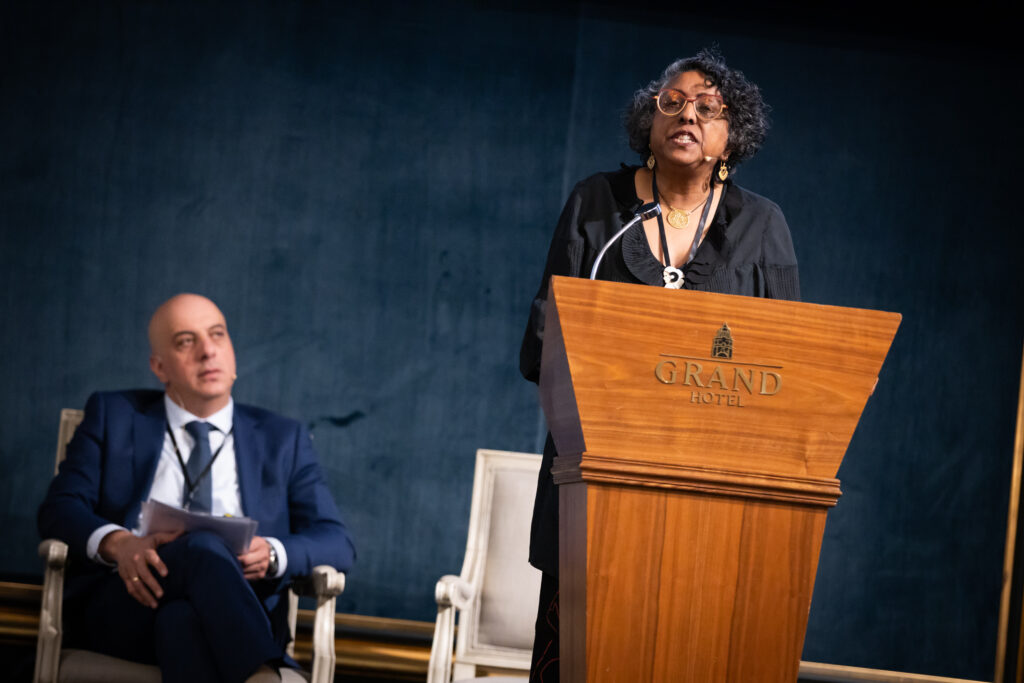
Remarks by Dr. Julie Reddy
Good morning all, I have decided to present a very personal and reflective view today on open recognition. Firstly, to action what we often neglect to do, and that is to recognise others in our community. Today, want to acknowledge and recognise David Moldoff, from Academy One for graciously sharing his publications with us. I read his philosophical workbook last night to prep for today and really appreciated the read and his layered reasoning and reminders that the other kinds recognition, which we the advocates of opening up recognition are positing thru the OR Manifesto, must consider context as well as other forms of learning and knowing.
We have made substantial inroads into accommodating LLL and FLPs through Recognition of Prior Learning etc. But we are still limited in our assessment and recognition policies and practices, and where the notion of “whose and what learning gets recognized” is still closely guarded and restricted, mostly by formal education requirements and practices . I want to share 2 personal examples with you.
One is of self recognition. Q: how many of you in this room have had the privilege to self- recognise your learning? Interesting, no one. Well I have practices this in my post-educational qualifications career journey. When I joined the public sector in SA, as a CEO. I took a non-credit bearing short course at a University business school that was titled “Finance for non-financial Managers in the South African Public Service”. This non- assessed and professional course provided me with the knowledge and skills to manage a large budget of public funds and to make informed decisions about how these funds needed to be allocated and spent. I have taken many of these professional development courses, as and when they were needed. However, I made a pivotal realization about relevance and the currency of LLL programmes more recently, when I took an assessed credit bearing course on an Introduction to Digital Marketing, and almost flunked it. I found the assignments and assessments onerous and time consuming and that the intent of this formal learning programme, what would be called a micro-credential, was to train entry level digital markets and this definitely was NOT my purpose.
My purpose was to gain enough knowledge to know what digital marketers do and make informed choices when choosing a vendor to provide these services. Clearly the time and effort was not well spent in my case. It reminded me that the intent and purposes of the learning and recognition we seeks varies across learners and the importance of agency and self- governance in these matters. Lastly I just want to remind the room that a medical doctor title is not a qualification, but a designation earned outside the formal academy from a professional community of peers. I shared these personal thoughts with you as food for thought about whose and what learning and recognition matters? And to question why we continue to squeeze square pegs into round holes when we deliberate on notions of learning and recognition. Clearly new ways of thinking and praxis is needed.
I thank you.
Talking Notes How the Open Recognition Manifesto Came into Being
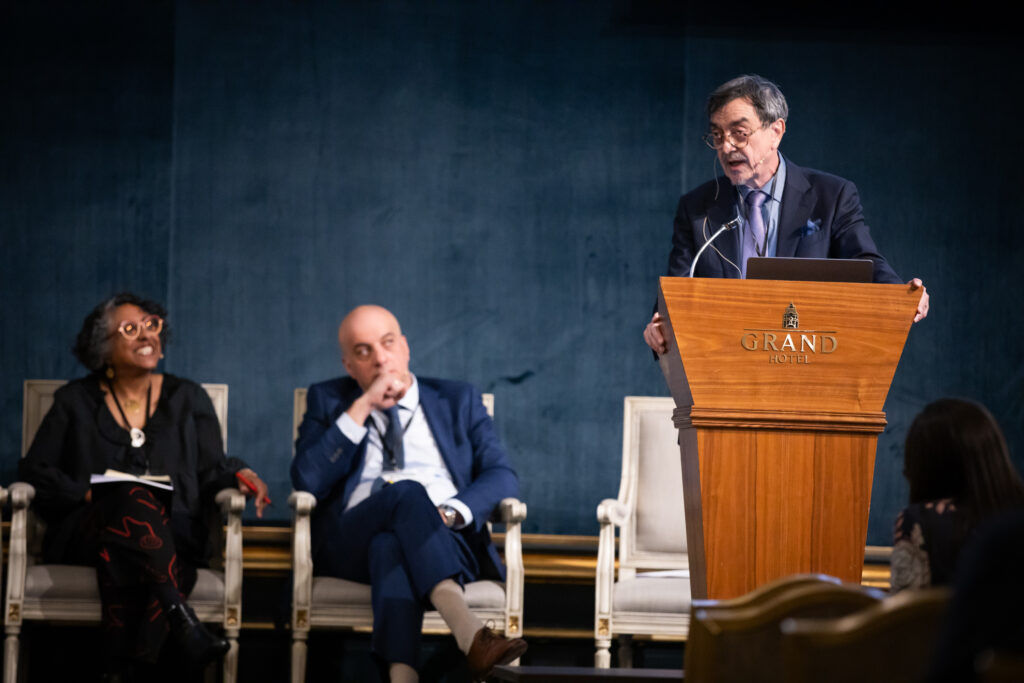
Remarks by Serge Ravet
Once you see recognition not as a transaction or a badge, things look very different. As I like to say: “When the wise person points at recognition, the idiot looks at the badge.” Once you look beyond (and beneath) the badge, you begin to see recognition as the thread that holds our social fabric together — the invisible weave of trust, meaning, and belonging.
The movement of Open Recognition has always been about more than technology. It’s about restoring recognition to its living form — to what Erich Fromm called the mode of being. It’s about shifting from having recognition to being in recognition — not collecting symbols of value, but inhabiting relationships of trust and reciprocity.
To have recognition is to possess something — a title, a badge, a credential. But to be in recognition is to dwell in relation — as one is in love or in dialogue. It is a living, dialogical process, a mutual becoming through which we — and others — come into existence.
As Gilbert Simondon reminds us, being is not fixed but a process of individuation: we become through relation. Recognition, in that sense, is not an endpoint — it is the metabolism of individuation, the movement through which we form and are formed.
And Edgar Morin would add: life itself depends on this dialogue — between order and disorder, autonomy and dependence, self and other.
When recognition becomes a possession, the dialogue stops; when it remains a relation, it sustains the pulse of life.
John Dewey wrote that art is experience — not an object, but the rhythm of doing and undergoing, through which life expresses and perceives itself. In the same way, recognition is experience. Not the badge nor the certificate — those are mere byproducts or residues.
Recognition is the aesthetic act of relation itself: the moment when an encounter acquires form, meaning, and emotion. To be in recognition is to participate in the art of being-with — to experience life reflexively, as both creation and perception. Like art, recognition transforms what is ordinary into what is felt, what is invisible into what is shared.
To close this introduction, I’d like to offer an image. Formal recognition systems are like our cities — they bring order, coherence, and visibility, they give structure to the social world, they make the social landscape legible.
But their vitality depends on the wild spaces around and within them — on those informal spaces of recognition where trust, curiosity, and reciprocity grow freely.
Just as every ecosystem depends on the balance between cultivated land and primal forest, the ecology of recognition depends on both — the formal and the informal, the structured and the spontaneous, the visible and the living.
To preserve the vitality of recognition, we must protect these wild zones of being — not as nostalgic remnants of the past, but as living sources of renewal.
And without those primal forests of informal recognition, our cities of recognition may remain standing — but they will no longer breathe.
About the Authors
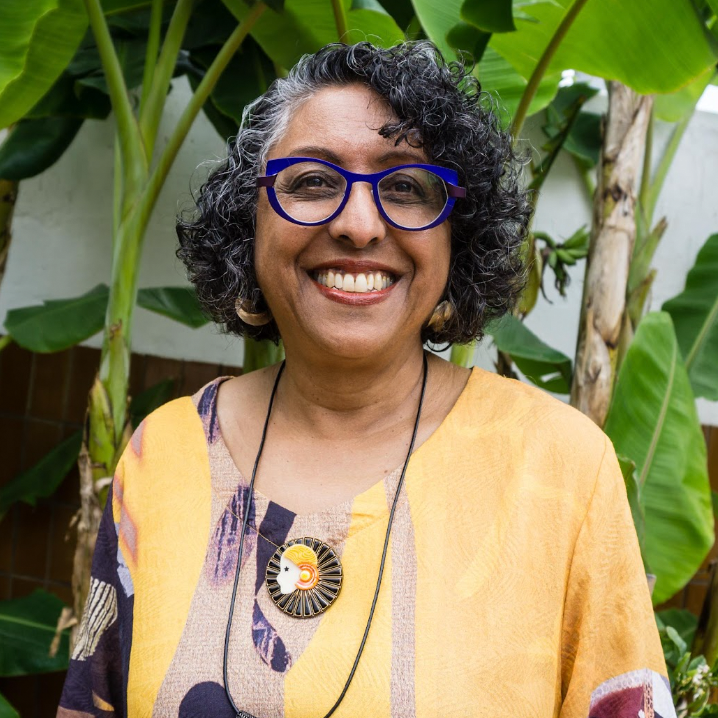
Dr. Julie Reddy
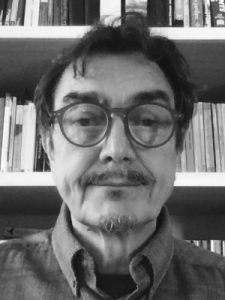
Serge Ravet

Beka Tavartkiladze
This blog post represents the opinions of the author. The Groningen Declaration network assumes no responsibility or liability for the content or accuracy of this post.